

How to prepare for a newborn baby photoshoot

Practical guide for London parents
Everything you need to know about capturing those first precious days, from timing and posing to lighting, warmth and safety.
Whether you are planning to book a professional, hoping to take a few lovely photos yourself, or you are a photographer building a newborn portfolio, this guide walks you through what matters most.
From Flowerpots to Editorial Simplicity. How Newborn Photography Evolved with Time
If you grew up in the 80s or 90s, you will probably remember Anne Geddes’ famously whimsical images of babies sleeping in flowerpots, tucked into petals or perched on oversized mushrooms. They appeared on cards, calendars and posters, and for a generation they defined what a newborn portrait looked like.
Today the style has shifted. Many London families now prefer something softer and more natural: simple neutral textures, window light, and images that feel like their own home and their own baby. Demand for specialist newborn photographers has grown, and parents are more discerning about who they invite into their home during such a tender time.

ALL RIGHTS RESERVED © Magic Rainbow Photography
Choose Your Style: Lifestyle or Posed
Before booking anything, decide what kind of photographs you want. Timing and approach depend on it.
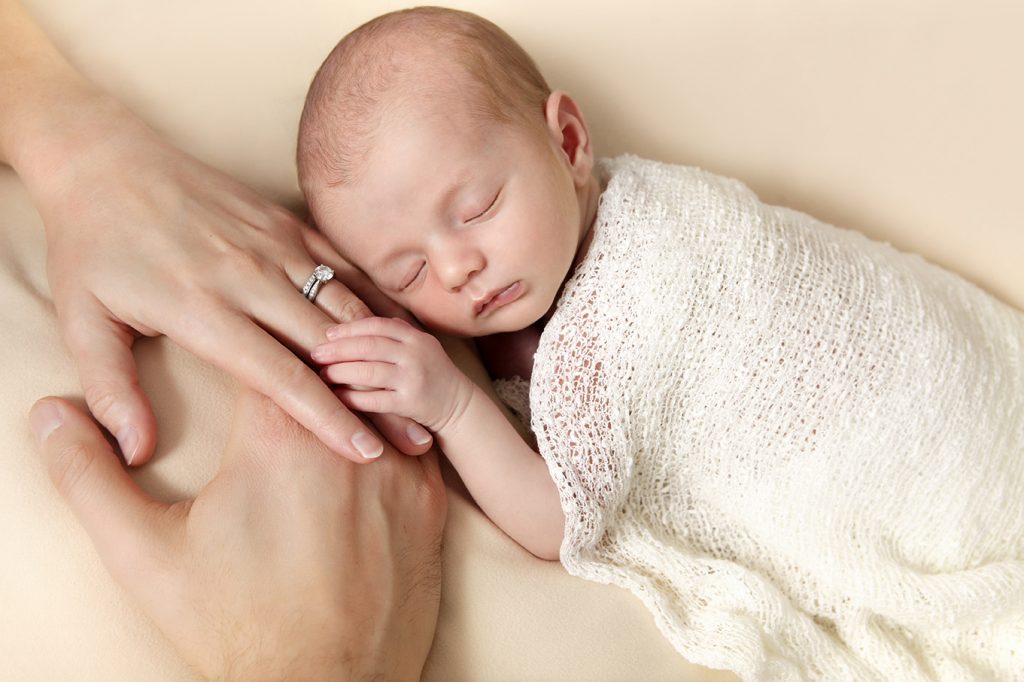
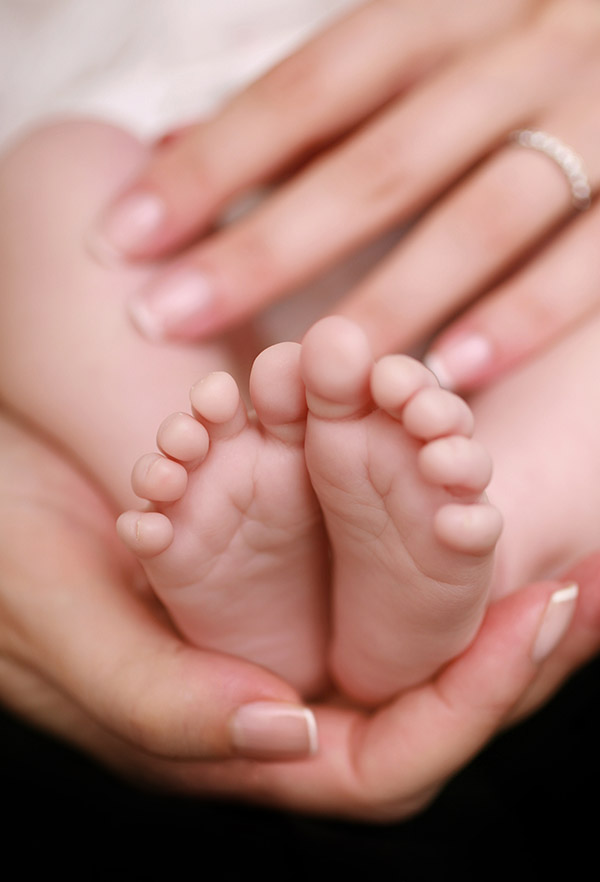
Lifestyle newborn photography captures real moments: a parent’s hand around a tiny foot, siblings meeting the baby, the quiet chaos of those early weeks. These days are tiring and often hazy in memory, so photographs become precious. Because there is no need for a perfectly sleepy baby, lifestyle sessions are flexible and can happen at almost any age.
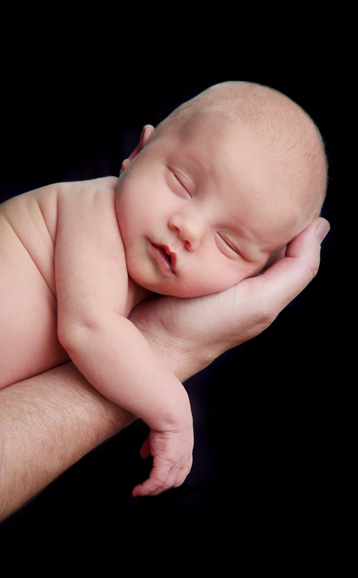
Posed newborn photography is more styled. The baby is gently positioned in a set-up with soft backdrops, wraps and a few simple props. Timing matters here. Posed images work best in roughly the first two weeks, and the sweet spot is between five and ten days old, when babies sleep deeply and stay curled up. After two weeks they stretch, wriggle and wake more easily. You can still have a lovely session, but it will take more time and patience.
London tip: Book your photographer while you are still pregnant. A lot of newborn specialists have their diaries booked months in advance so if you are already expecting, it’s never too early to get in touch. A slot will be saved for you in the weeks around your due date and details are only confirmed once the baby arrives.
Setting the Scene: Home Visit or Studio?
The ideal setting is bright, calm and uncluttered. In London you generally have two options.
At home. Many photographers come to you, which means no travelling with a brand new baby on the Tube or in a car seat. A home visit is also ideal for lifestyle family photography. If you live in a Victorian or Edwardian terrace, tall sash windows are a gift, as they let in generous, soft light. If your flat is compact or the light is limited, do not worry. A good photographer will scout the best spot and work with what you have. Professional photographers will often arrive with their own lighting to ensure images are up to standard and there is beautiful light even on the gloomiest of days, especially in the winter months in London. If they offer at home baby photography, be sure to check their portfolio of images as consistent lighting is a good indicator of a reliable photographer who knows how to adapt to different environments. A bedroom or living room is usually perfect as a setting .
In a studio. A studio offers controlled light and a ready-made set of backdrops. For a young family, this is when you have to consider studio location, length of the session and logistics getting there on time and coming back home. When looking into your options, choose somewhere with straightforward access and parking or step-free transport links. Consider extra time needed for your little one to get settled into the new space and how long the photoshoot will last.
Whichever you pick, keep the styling simple. Neutral shades such as cream, grey, tan, black or white keep the focus on the baby. At home, a favourite blanket, a knitted hat from a grandparent or a family heirloom can make the images far more personal than any shop-bought prop.
A photographer will usually prepare three or four set-ups and poses. Newborns are unpredictable, and a short, relaxed plan works better than an ambitious one.
Posing Your Newborn
Posing is the most delicate part of the session. Newborns cannot take direction, and their bodies need to be handled with great care. This is why baby photographers need patience, experience with newborns and understanding of the various poses and how to proceed safely .
Your input matters too. Share the images you love and the ones you do not. Mention any themes that are important to your family, such as a cultural tradition, a sibling, a pet or a family heirloom. A good photographer will build time into the session to sit down, have a cup of tea with you and talk it through before picking up the camera.
Keep outfits minimal. Simple headbands, soft caps and neutral wraps look timeless. Fresh or dried flowers are a popular finishing touch, adding a feeling of new life, and are easy to find from London florists and flower markets.


Light: Soft, Natural and Gentle on Little Eyes
Lighting can make or break newborn photography. Soft, natural daylight adds a beautiful feel to your family pictures. Where artificial light is needed, it should be gentle. Lights are best bounced off a wall or ceiling or shaped through a large diffuser. Direct, bright flash is never appropriate, and pop-up or on-camera flash should be avoided altogether.
For photographers: be careful with a wide-open aperture. Reclined poses and unusual angles leave very little room for error, and shooting at maximum aperture can leave parts of the baby soft. Working a stop or two above the widest setting keeps faces sharp.
Keep It Warm
Newborns can lose heat quickly, particularly if they are undressed or only lightly covered for photos. It’s essential to keep the room at a warm temperature, ideally between 22-25C which may seem quite warm for adults. A small fan heater can be beneficial, especially during the colder months and in older London houses with drafty windows.
Expect the Unexpected
No two babies are the same. Some sleep through everything. Others decide halfway through the session that it is time to be awake. That is completely normal and a good photographer will adapt and keep shooting, because the best images often come from unplanned moments.
Safety Comes First
Safety is the number one rule, whoever is holding the camera.
- Check props and surroundings. Anything near the baby must be baby-safe, and there should be no trailing cables, unstable lights or hazardous backdrops. Photographers new to newborns should rehearse set-ups with a doll first.
- Hygiene matters. Hands should be washed before the session and all surfaces wiped down. Newborns’ immune systems are still developing, so a photographer who feels unwell should rearrange the session.
- Parents know best. If you are ever uncomfortable with a pose, say so. Your baby’s comfort always comes first.
final thoughts
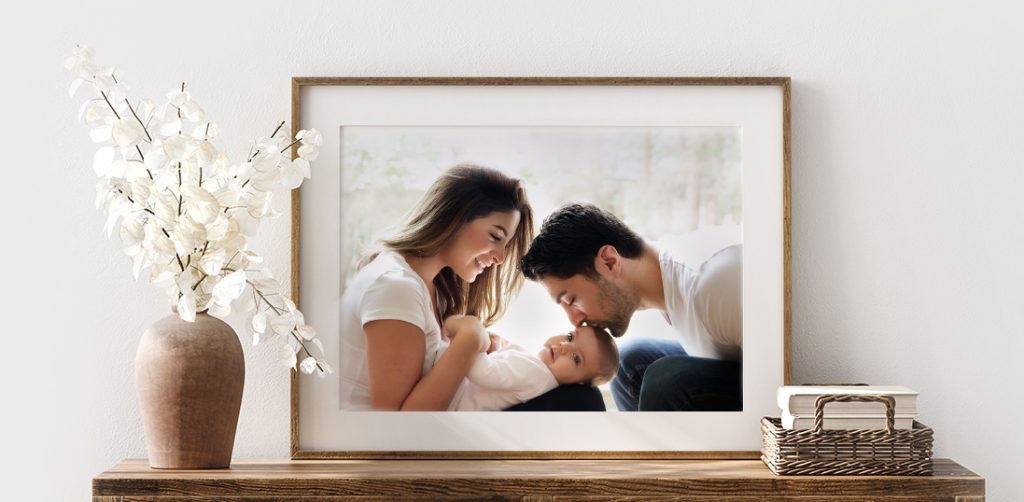
Newborn photography is part art, part patience and part kindness. Start early, choose a photographer you trust, keep things warm and simple, and let your baby set the pace. Years from now, you will be glad to have captured these first days.


What do you want to remember ?


